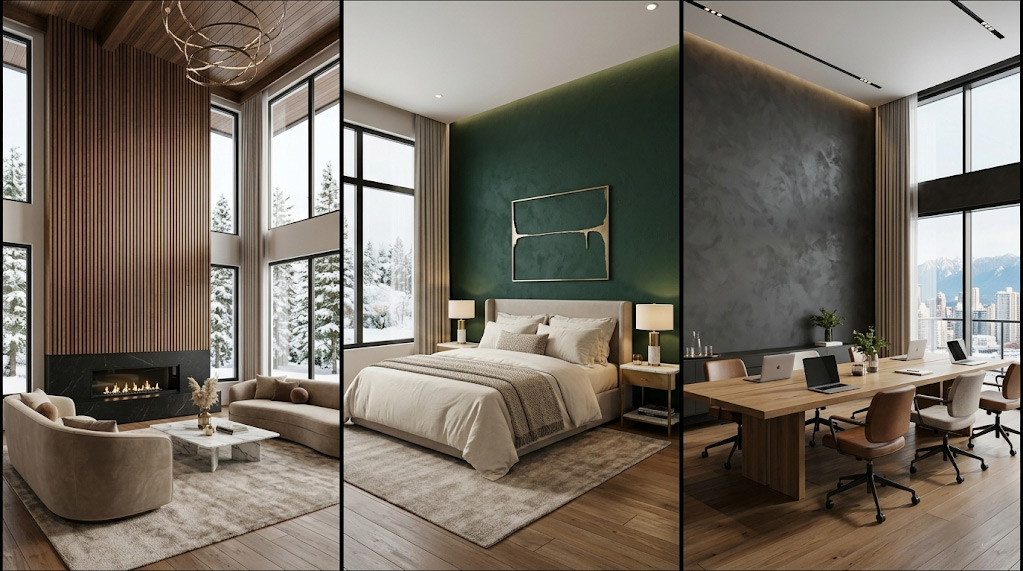
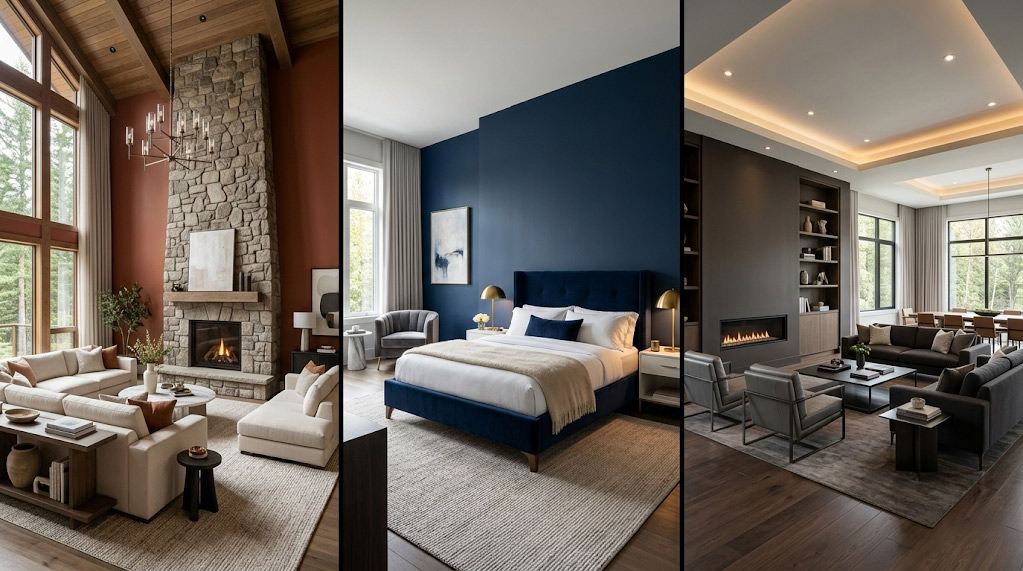
Accent walls are a dominant feature in modern interior design—from urban lofts and suburban homes to dedicated workspaces. Yet, homeowners and design enthusiasts still ask the same core question:
“Do accent walls actually make a difference, or are they just a design trend that fades fast?”
The definitive answer, backed by expert design logic and painting science: Accent walls deliver a powerful, long-term transformation when executed strategically. Their success is not about the color itself, but the meticulous preparation, the quality of materials, and the intelligent application of focal point principles.
Here is the strategic guide to ensuring your accent wall upgrade is a permanent aesthetic success, not a temporary style footnote.
1. What Makes Accent Walls Transform a Home?
They create instant visual impact and architectural anchoring—without requiring a full renovation.
Accent walls are one of the few upgrades that deliver a major stylistic shift with minimal disruption. When placed with purpose, they function as powerful visual tools that:
- Add depth and dimension to otherwise uniform room layouts.
- Highlight existing architectural features like elegant fireplaces, built-in shelving, or complex trim work.
- Guide the eye toward the room’s intended natural focal point.
- Make smaller spaces feel intentional and curated, rather than cluttered.
- Conceal minor surface imperfections when using quality, non-gloss finishes.
- Anchor the room’s main furniture piece, giving the space stability and balance.
The true transformation, however, depends on one foundational factor: choosing the right wall.
The best accent wall is almost never the wall with the most space. It’s the wall with the most meaning.
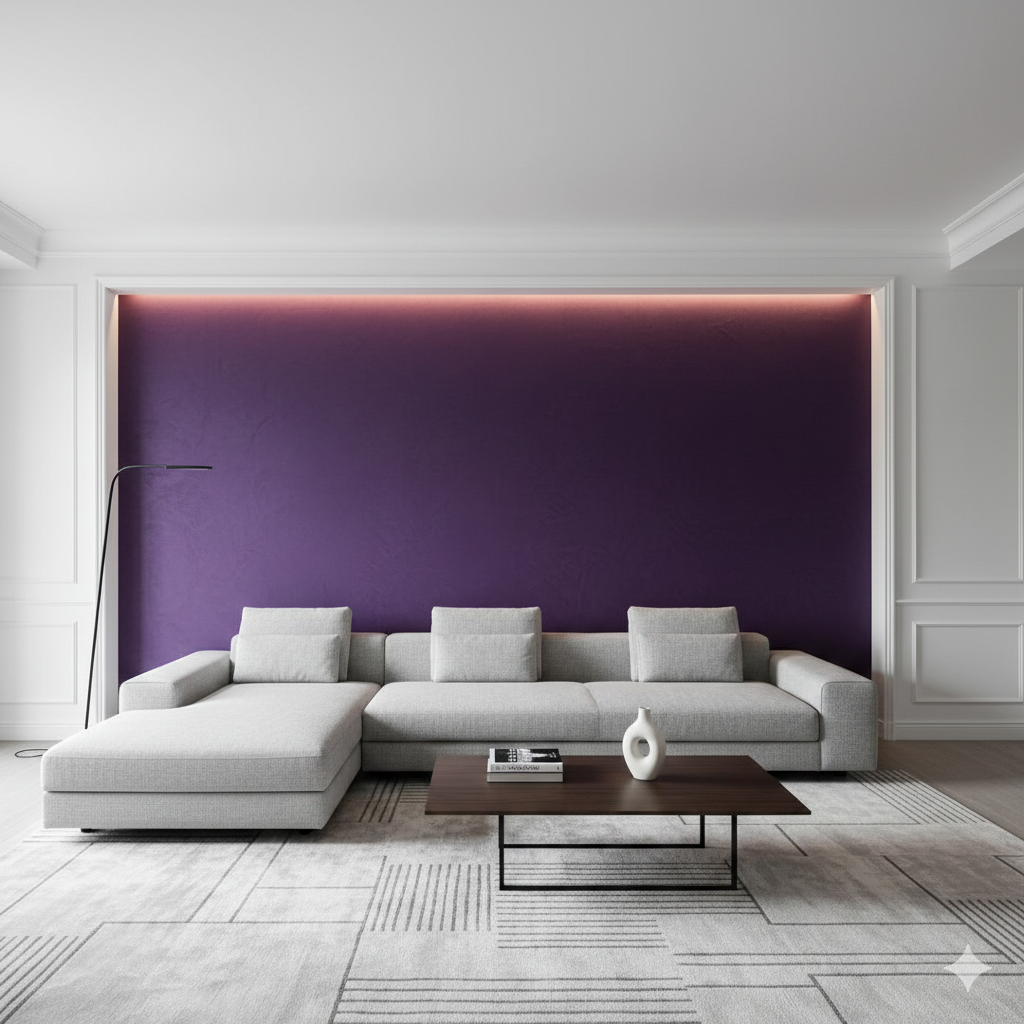
Strategic Placement Logic:
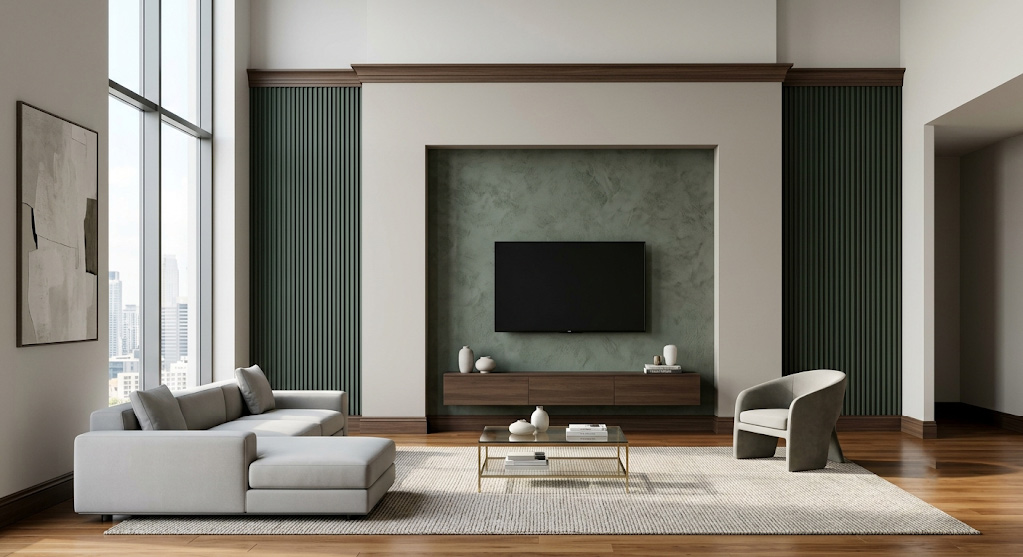
- Behind a Sofa or Entertainment Center: Creates balance and grounds the central gathering area.
- Behind a Headboard: Anchors the bed, establishing the room’s primary element.
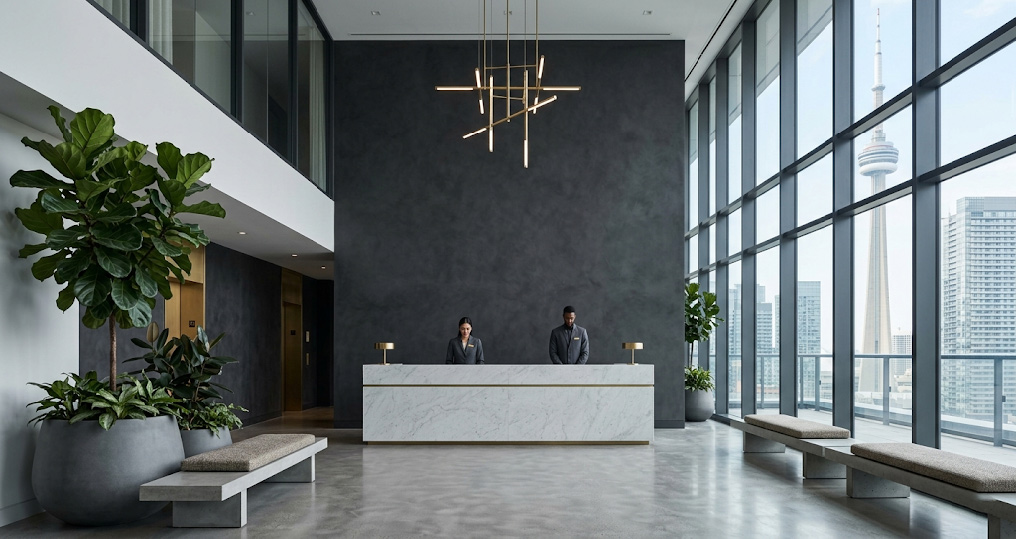
- Entryway Facing Wall: Provides an immediate, dramatic visual impression.
- Home Office Backdrop: Elevates professional presence for virtual communication.
Design Warning: The number one rule of accent walls is that there should only be one per room. Multiple accent walls create chaos and diminish the impact of the focal point.
2. Are Dark Accent Walls Too Risky? Do They Shrink Space — or Add Luxury?
This is the most misunderstood question about accent walls, especially concerning smaller rooms.
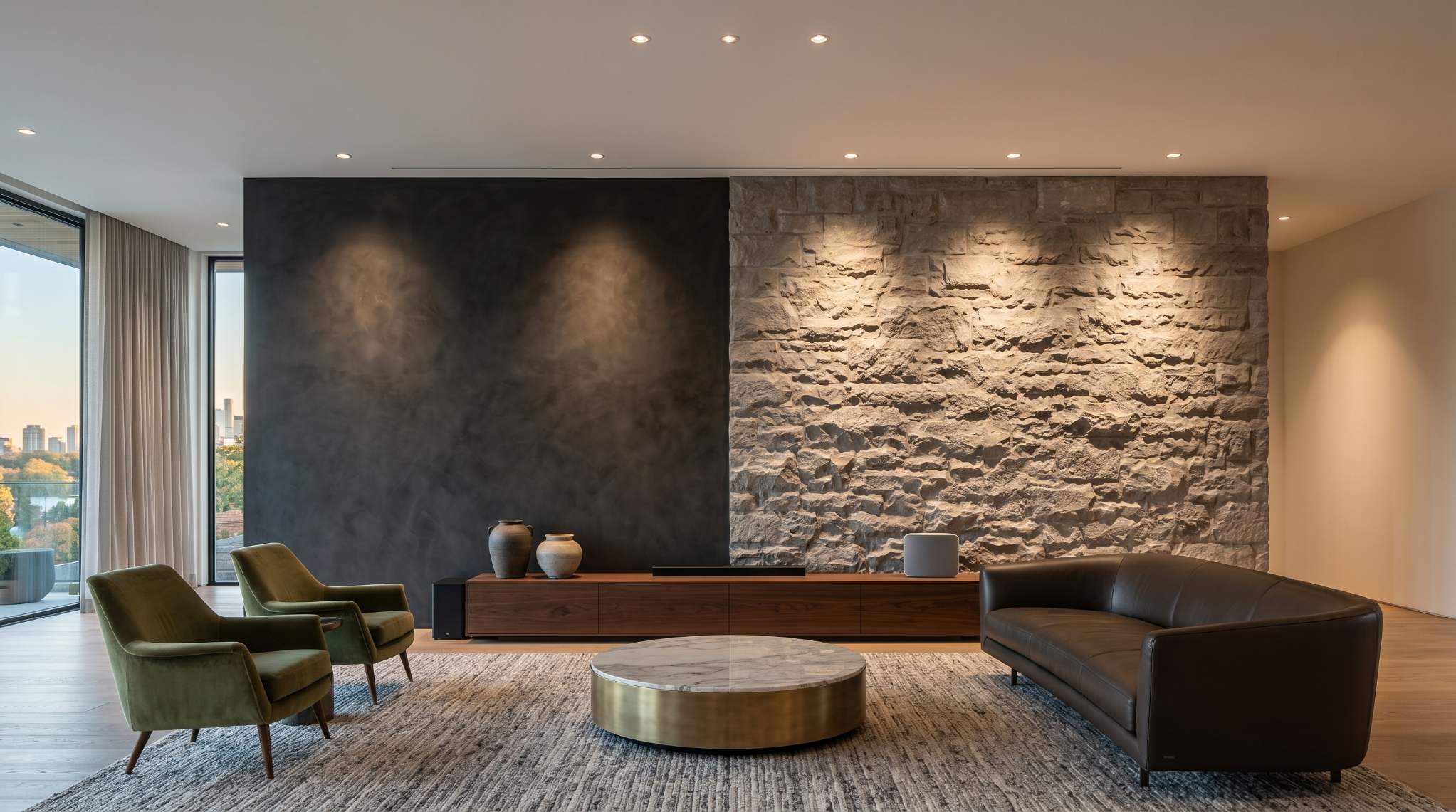
The truth: Dark colors do not automatically shrink a space. They create contrast, depth, and drama, often making the wall recede, which can actually make the room appear deeper. They only cause a feeling of constriction when placed in spaces with poor or non-existent natural light.

| When Dark Tones Make a Space Look Smaller (Mistake) | When Dark Tones Make a Space Look Luxurious (Strategy) |
| Low Natural Light: Rooms that feel dark even during the day. | Matte or Eggshell Finish: Absorbs light, creating a sophisticated, velvety texture that hides imperfections. |
| Gloss Finishes: Highly reflective finishes exaggerate every flaw or dent on the wall surface. | High Contrast: Pairing the dark wall with light furniture, textiles, and trim to maximize dramatic effect. |
| Competing Focal Points: The wall already contains busy shelving, windows, or intricate patterns. | Strategic Lighting: Using picture lights or sconces to wash light down the wall, emphasizing its texture and color. |
Shades like charcoal, midnight blue, and forest green instantly add a high-end, boutique feel when correctly paired with adequate lighting and high-quality matte finishes.
3. Should You Use Eco-Friendly Paints? Do They Actually Perform Well?
Homeowners are increasingly prioritizing health by choosing low-VOC (Volatile Organic Compound) or zero-VOC paints. This responsible choice is often accompanied by skepticism about performance:
“Do these eco-friendly options actually provide the coverage, durability, and finish quality of traditional paints?”
Short answer: Yes, modern formulations perform impressively well and are worth the investment.
VOCs are chemicals that vaporize at room temperature, causing odors and contributing to indoor air pollution, which can cause health issues like headaches and respiratory problems. Low- and Zero-VOC paints minimize this risk, making them the superior choice for any home.
Advantages of Modern Low-VOC Paints:
- Improved Indoor Air Quality: They release significantly fewer harmful chemicals and toxins into the air.
- Reduced Odor: They dry with less odor, making rooms habitable much faster and creating a more pleasant application environment.
- Durability & Coverage: Modern, high-end low-VOC formulas match traditional paints for coverage, color retention, and long-term durability.
- Aesthetic Range: They are available in the necessary high-end finishes (matte, eggshell, satin) required for a flawless accent wall.
Choosing strategic integrity over cheaper, traditional chemicals minimizes organizational “off-gassing” and ensures a healthier, durable finish.
4. Why Prep Techniques Like Dustless Sanding Matter for Durability
Absolutely—and this foundational groundwork is the ultimate determinant of your paint job’s lifespan.
The quality and durability of any finish—whether a coat of paint or a strategic business initiative—is intrinsically linked to the preparation time and rigor involved. When surface preparation is skipped or rushed (filling dents, sanding rough spots, cleaning surfaces), the final paint coat quickly peels, chips, or bubbles, regardless of the paint’s quality.
Professional contractors now rely on advanced techniques like dustless sanding systems. These systems attach sanders directly to vacuum units, capturing most airborne dust at the source. This technology ensures:
- Better Adhesion: A perfectly smooth, clean surface is created for the paint to bond to, ensuring a long-lasting finish.
- Health & Safety: Prevents fine dust from circulating in the HVAC system and protects occupants from exposure to potential hazards.
- Speed & Quality: Speeds up cleanup time and ensures a significantly smoother, more professional final finish.
A Critical Note on Older Homes: If your home was built before 1978, it is highly likely to contain lead-based paint. Renovation activities must use specific EPA-mandated lead-safe work practices (such as wet sanding and containment) to prevent hazardous dust contamination. Certified professionals are required to handle this risk.

5. Should You Hire a Professional Painter Instead of DIY?
Painting looks deceptively simple—until you encounter the need for razor-sharp edges, uniform coverage across textured walls, and systemic adherence to prep safety.
Professional painting delivers consistency, precision, and efficiency that DIY efforts rarely match.
| Why Professional Service Delivers Higher ROI | Benefit to Homeowner |
| Systemic Surface Preparation | Ensures the finish lasts 10+ years by preventing chipping or peeling. |
| Precision and Technique | Achieves sharp, clean cut-ins, streak-free walls, and smooth textures using commercial-grade tools. |
| Efficiency and Speed | Teams complete large projects quickly with minimal disruption to your daily life. |
| Safety and Liability | Utilizes dustless sanding and lead-safe containment methods where necessary, protecting your family and property. |
| Expert Consultation | Provides color guidance tailored to your specific lighting conditions and architectural style. |
You are not just purchasing a painted wall; you are investing in precision, systemic preparation, long-term durability, and professional accountability.
FAQs
Q1. What is the best wall to choose for an accent wall?
The one that naturally acts as the room’s focal point—typically behind a bed, sofa, or fireplace. It should be the wall with the most meaning or visual anchoring potential, not the largest wall.
Q2. Do dark accent walls make rooms look smaller?
No, this is a misconception. Dark colors tend to recede, which can make a room feel deeper. They only make a space feel constricted if the room lacks proper light.
Q3. Are low-VOC paints worth the investment?
Yes—they significantly reduce harmful fumes and odors, contribute to better indoor air quality, and modern formulas offer comparable durability and coverage to traditional paints.
Q4. What is the biggest mistake when choosing an accent wall?
Choosing the largest, most visible wall solely because it is large, or attempting to use multiple accent walls in a single room, which creates a chaotic environment and diminishes the focal point.
So… Are Accent Walls Worth the Investment?
Absolutely—when the decision is driven by design intention and technical mastery.
Accent walls transform a space not because they are a fleeting trend, but because they are a powerful, strategic design technique that controls how a space feels, flows, and functions.
When successfully executed through a strategy that pairs:
- The right meaningful focal point
- The optimal color and matte finish
- High-quality eco-friendly paints
- Proper professional preparation (including dustless sanding and lead-safe practices)
…they deliver a high-ROI, durable upgrade that redefines your home’s aesthetic for years to come.