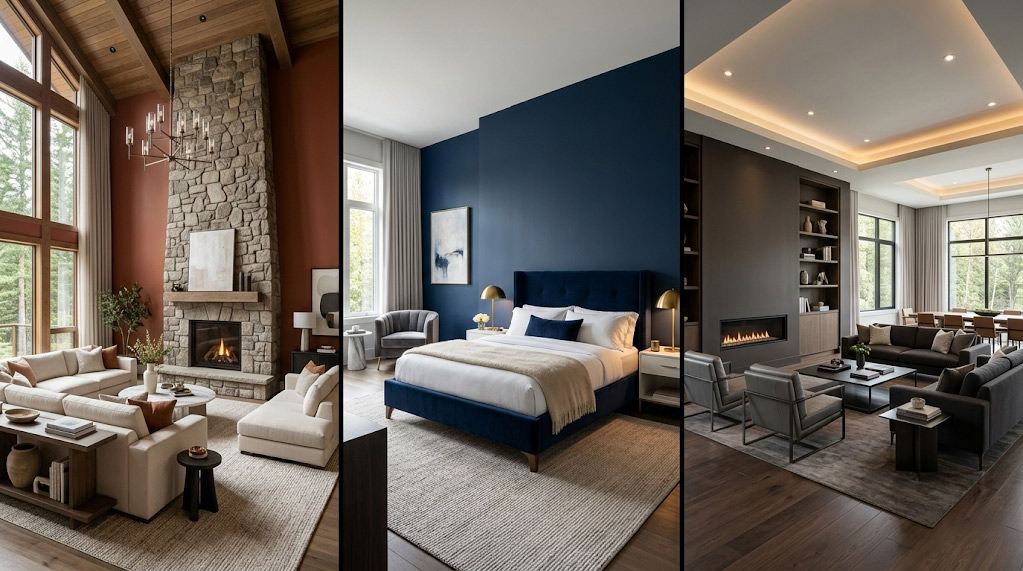
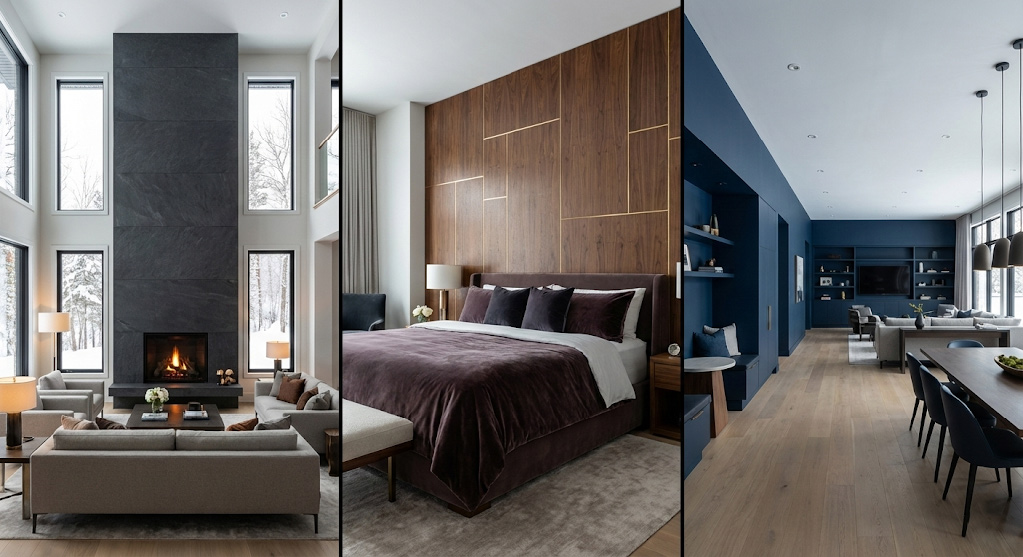
A modern living room should feel both welcoming and sophisticated. Choosing the right design elements can completely transform an ordinary space into an extraordinary home hub. Incorporating a well-thought-out feature wall is one of the most effective ways to achieve this balance.
Many homeowners wonder how to elevate their main gathering space without cluttering it. A paint-focused feature wall offers a clean, high-impact solution that fits perfectly into contemporary aesthetics. Let’s explore how to use color, placement, and technique to create a stunning visual centerpiece.
Defining the Modern Living Room Aesthetic
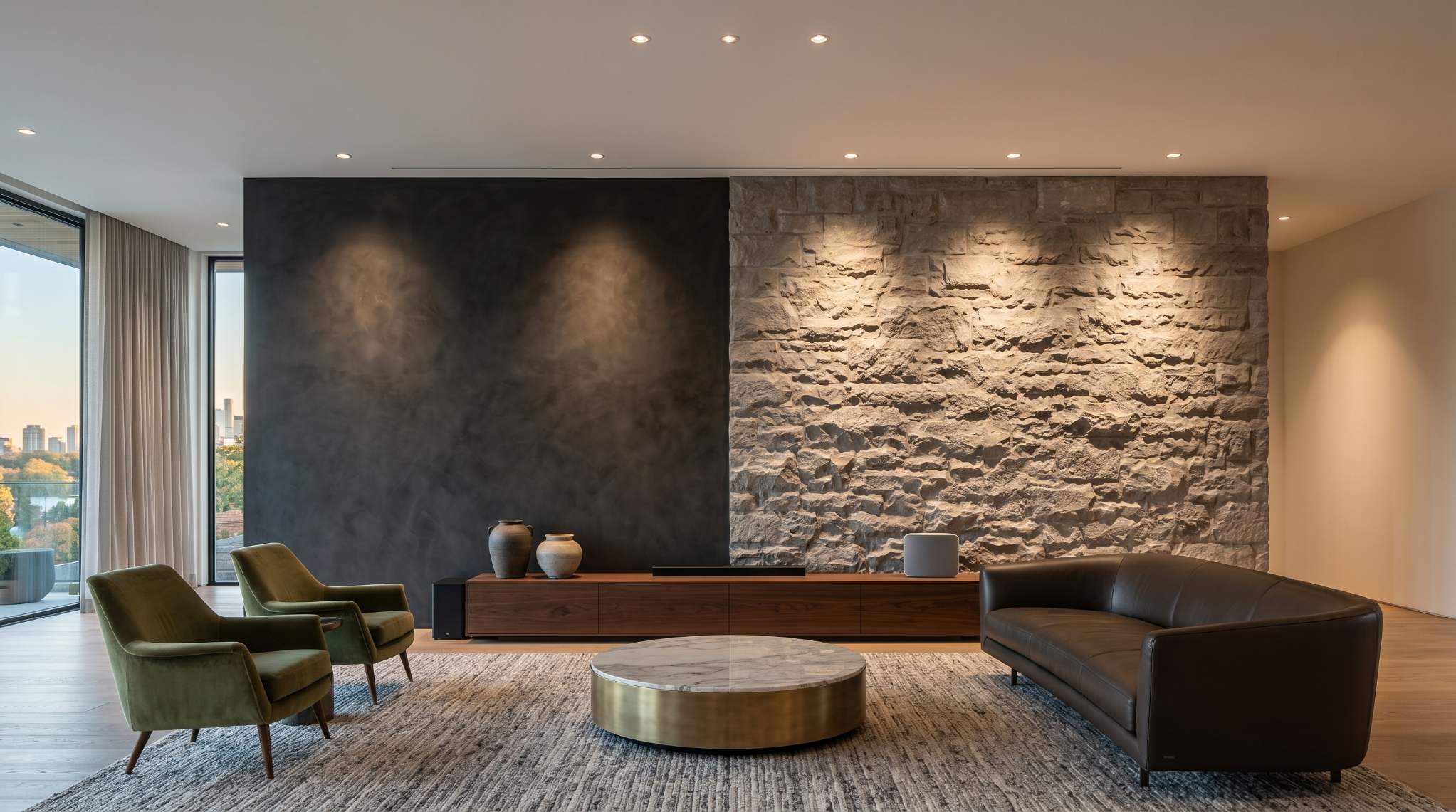
Modern interior design relies heavily on clean lines, intentional minimalism, and purposeful contrast. It avoids excessive ornamentation in favor of structural beauty and sophisticated color stories. An accent wall within this style should serve as a deliberate focal point rather than a random splash of color.
To align with modern trends, think about how light interacts with your surfaces throughout the day. Sleek spaces benefit from finishes that absorb or reflect light in ways that add visual depth. The goal is to create a feature that feels integrated into the architecture of your home.
Selecting the Right Wall for Your Canvas
Choosing which wall to highlight is the critical first step in your design journey. The wrong choice can make a room feel disjointed or visually off-balance. Look for the architectural focal point that naturally draws the eye when entering the space.
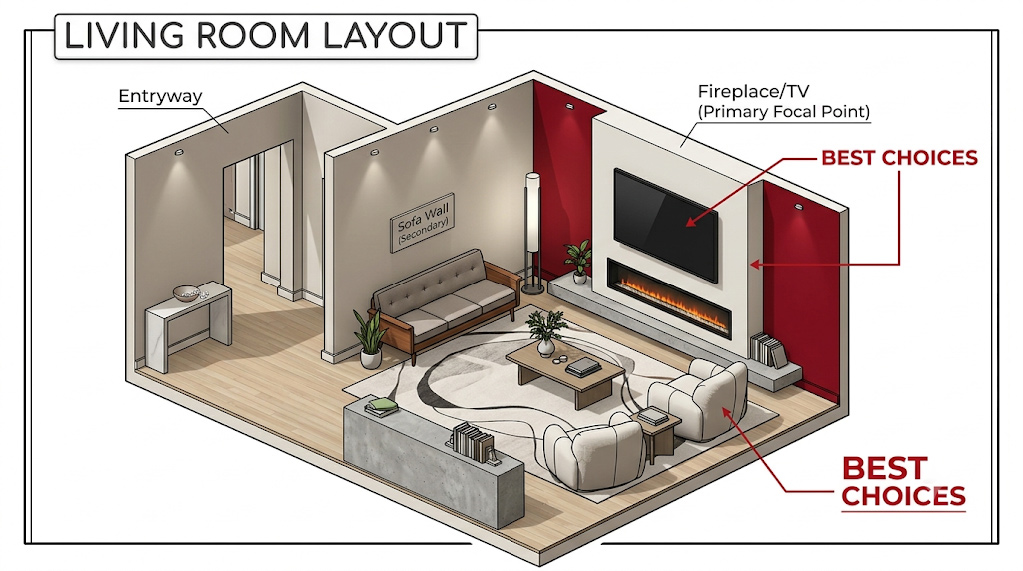
The wall behind your television or fireplace is usually the most logical candidate. Alternatively, the large wall behind your primary sofa can anchor your main seating arrangement beautifully. Avoid walls with large windows or doors, as these structural elements break up the visual continuity of your paint.
Top Paint Ideas for Modern Living Rooms
When exploring contemporary design paths, certain paint approaches consistently deliver sophisticated results. These ideas leverage color and simple geometric principles to create a polished, upscale environment.
The Moody Monochromatic Look
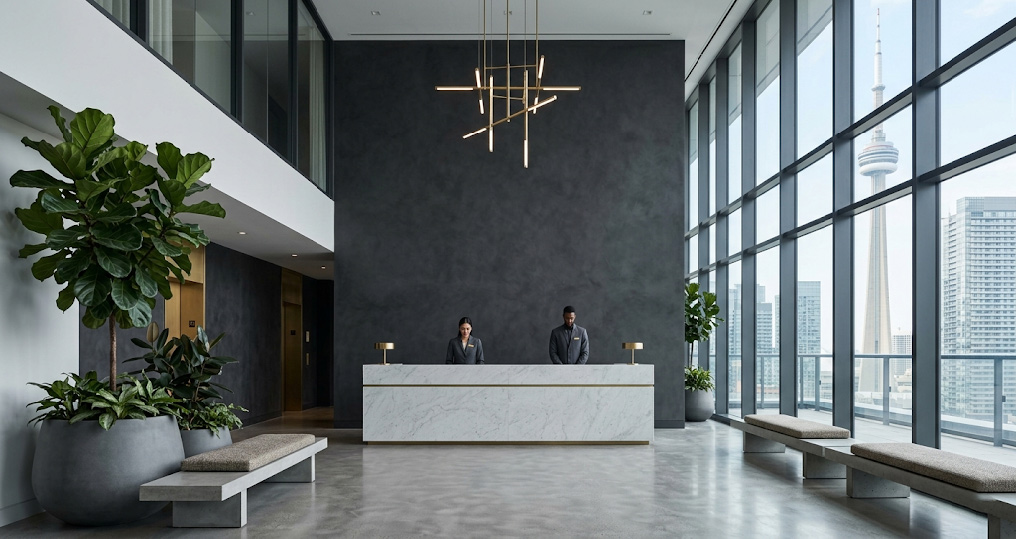
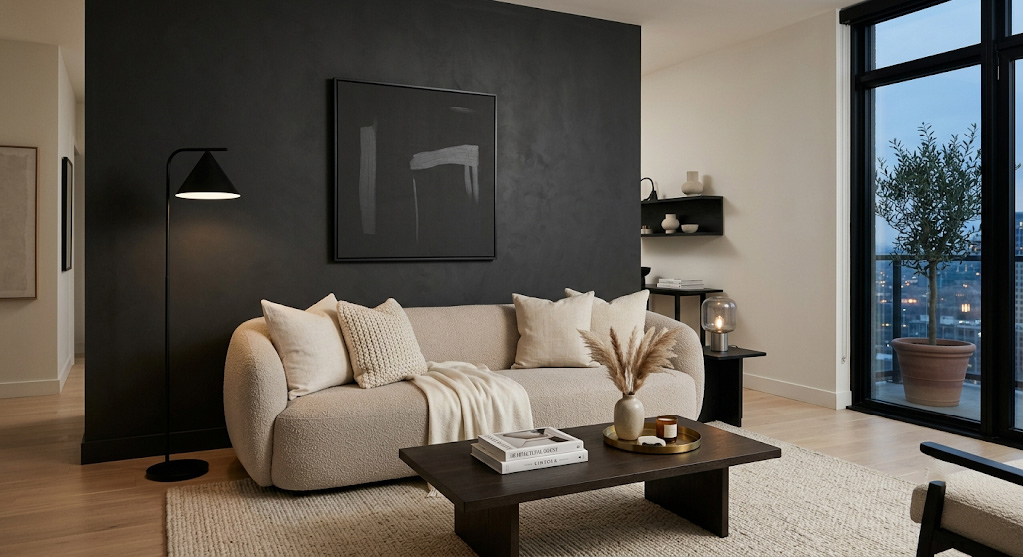
Dark, saturated colors add instant drama and luxury to a contemporary living space. Think deep charcoal, rich navy, or a sophisticated forest green with cool undertones.
Pairing a dark wall with neutral furniture creates a stark, beautiful contrast. This approach works exceptionally well if your room receives plenty of natural daylight.
Warm Earthy Neutrals
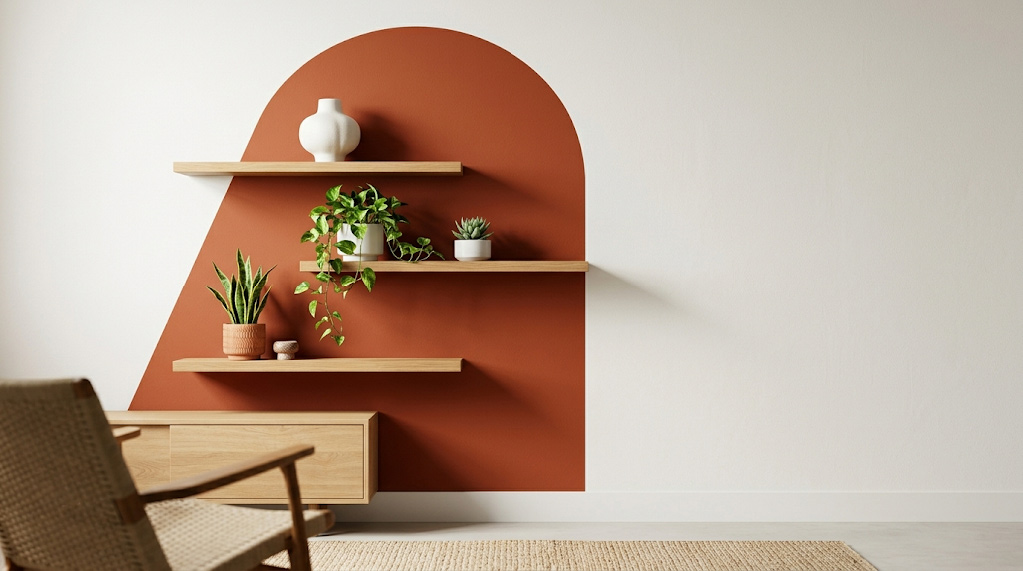
If dark colors feel too intense, look toward warm, grounded tones inspired by nature. Terracotta, muted olive, and warm taupe bring comfort into minimalist environments.
These shades make a large living space feel much more intimate and grounded. They coordinate beautifully with natural wood tones, stone elements, and textured linen fabrics.
Asymmetrical Color Blocking
Modern design thrives on clean geometric lines and unexpected layouts. Instead of painting an entire wall, try painting a large, crisp rectangle or arch over a specific zone.
You can use this method to visually frame a floating shelf or a piece of statement furniture. It adds an artistic, architectural quality to the room without requiring a heavy budget.
Step by Step Guide to Perfect Paint Execution
Achieving a high-end look requires meticulous preparation and the right application techniques. Skipping foundational steps will result in a finish that looks less than professional. Follow this structured process to ensure your new feature looks absolutely flawless.
1. Surface Preparation
Clean the surface thoroughly with a damp cloth to remove any dust, oils, or hidden residue. Patch any small nail holes or drywall imperfections with high-quality spackling compound. Sand the patched areas completely smooth once they are fully dry.
2. Taping and Protection
Apply professional painter’s tape along the ceiling, baseboards, and adjacent walls. Press the edges of the tape firmly down with your fingers to seal out any potential leaks. Protect your floors and nearby furniture with heavy-duty drop cloths.
3. Priming the Surface
Apply a coat of premium primer, especially if you are transitioning to a much darker shade. Primer ensures uniform paint adhesion and helps the true color look vibrant and consistent. Allow the primer coat to dry completely according to the package instructions.
4. Precision Painting
Cut in along the taped edges carefully using a high-quality angled paintbrush. Use a premium microfiber roller to fill in the large, open areas of the wall smoothly. Work in consistent vertical sections to maintain a wet edge and avoid visible lap marks.
5. Applying the Second Coat
Wait for the first coat to dry entirely before opening your paint can again. Apply a second coat using the exact same technique to achieve full color depth and coverage. Remove the painter’s tape carefully at a sharp angle while the paint is still slightly damp.
Balancing the Room with Decor and Lighting
An accent wall cannot stand completely alone without making the rest of your room look unfinished. You must introduce complementary elements to tie the entire color palette together seamlessly.
| Design Element | Styling Strategy for Modern Contrast |
| Lighting | Install dimmable warm LED fixtures or sleek track lights to wash the wall in light. |
| Furniture | Position light-colored furniture against dark walls to create striking dimensional contrast. |
| Artwork | Hang large, minimalist art prints with oversized white matting to break up solid fields of color. |
| Textiles | Use throw pillows or rugs that subtly repeat your accent color in small, tasteful doses. |
Designing a Modern Geometric Accent Wall
For a highly customized look, a geometric pattern created purely with paint and tape is an exceptional option. This DIY project injects bold, modern artistry directly into your living room framework.
Start by sketching your geometric concept on a piece of paper to map out the scale. Draw your lines directly onto the wall using a pencil and a long, reliable level.
Apply your painter’s tape precisely along the outside edges of your penciled lines. Seal the edges of the tape with a tiny amount of your base wall color first to prevent bleeding.
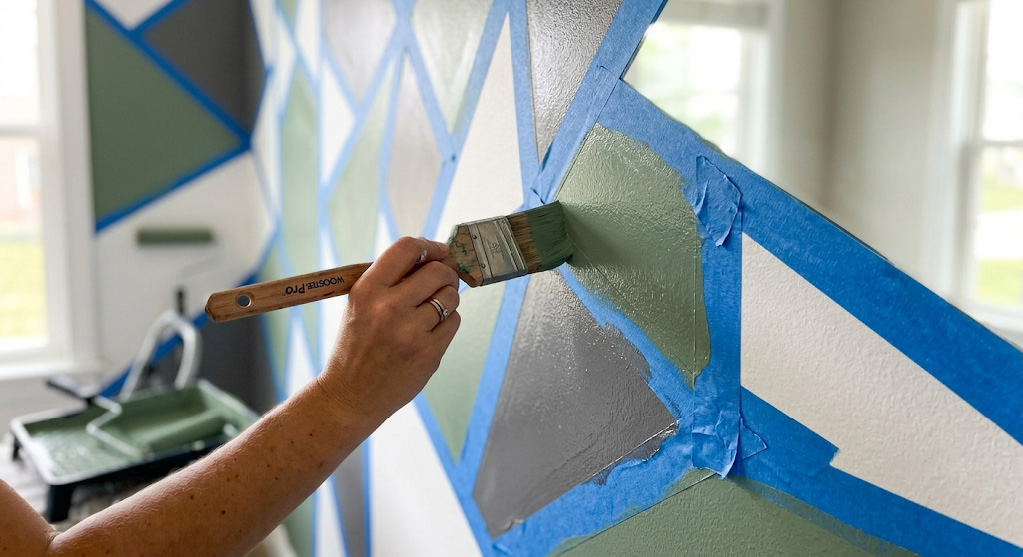
Once that base seal dries, paint your contrasting geometric colors into the designated sections. Remove the tape slowly to reveal razor-sharp, professional lines that look like custom wallpaper.
Bringing Modern Elegance to the Bedroom
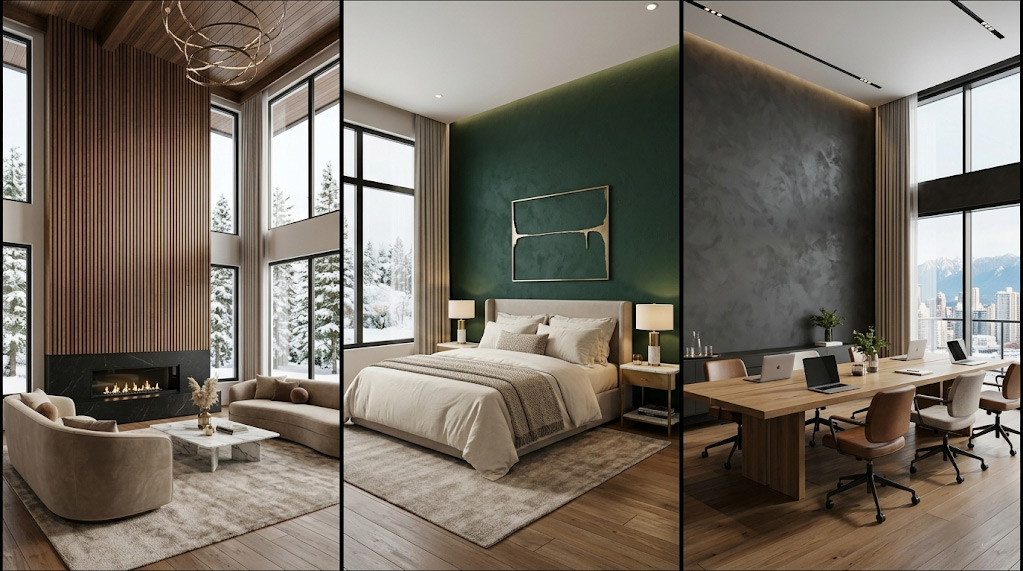
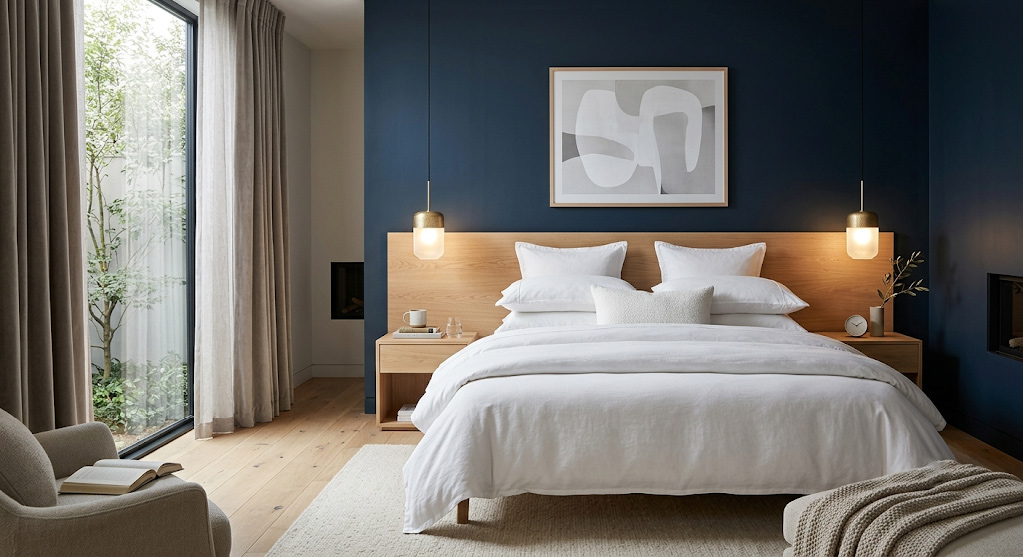
While your living room is the primary showpiece, you can easily adapt these modern principles for private quarters. A master bedroom benefits immensely from a calming, deep-toned feature wall situated directly behind the bed.
Popular colors for adult spaces include soft sage green, smoky slate gray, and deep, romantic plum tones. These colors promote deep relaxation while keeping the overall bedroom aesthetic clean, uncluttered, and contemporary. Pair the painted wall with simple wooden nightstands and crisp white bedding to maximize the upscale hotel feel.
How to Create Lasting Design Longevity
Trends shift over time, but smart execution ensures your design choices remain classic for years to come. Focus on purchasing premium paint in a matte or flat finish to hide minor drywall imperfections.
Avoid overly complex patterns that might feel visually exhausting after a few months of daily viewing. If you ever crave a change, a paint-based feature is incredibly easy to roll over with a fresh new shade.
FAQs
Are accent walls still in style?
Yes, they remain highly stylish when executed with modern colors, clean lines, and intentional placement. The contemporary approach focuses on sophisticated integration rather than random, overly bright neon colors.
How to choose an accent wall?
Look for the natural architectural focal point of your room, which is often where the fireplace or television sits. Choose a solid wall without any windows or doors to keep the painted surface clean and uninterrupted.
What wall should be an accent wall?
The best option is generally the wall you see first when walking into the living space. This wall anchors your room configuration and sets the definitive mood for your entire interior design theme.
What are popular paint colours for a bedroom accent wall?
Deep forest greens, sophisticated charcoal grays, and muted navy blues are incredibly popular for modern bedrooms. These tones establish a serene, restful atmosphere while providing a beautiful backdrop for your headboard.
How to paint a geometric pattern accent wall?
Map out your pattern with a pencil and a long level before applying premium painter’s tape. Seal the tape edges with your background paint color to guarantee perfectly crisp, bleed-free lines.