Every homeowner eventually faces the same dilemma: You want to inject personality into your space, but you’re terrified of hurting your property’s future resale potential. As you weigh your design options, the critical question becomes: does an accent wall increase home value, or does it simply create more work for the future buyer? We’ve all seen listing photos of “that” house—the one with the electric blue living room or the chaotic chevron stripes that scream “DIY project gone wrong.”
In the high-stakes real estate markets of Toronto, Vancouver, and Montreal, the margin for error is slim. A well-executed accent wall can make a generic condo feel like a boutique hotel, potentially sparking a bidding war. A poorly chosen one feels like a “to-do” item for the buyer, giving them a mental excuse to lower their offer.
The difference isn’t just about taste; it is about strategy. Whether you are flipping a detached home in the GTA or trying to reduce vacancy in a downtown rental unit, understanding the economics of interior design is just as important as the aesthetics.
The Short Answer — Do Accent Walls Add Value?
Yes, accent walls increase home value, but they do so through perception, not appraisal metrics.
To understand the Return on Investment (ROI) of an accent wall, you must distinguish between the two types of value in real estate:
- Appraised Value ( The Hard Numbers): This is the data an appraiser or bank cares about. They look at square footage, the number of bedrooms, lot size, and recent comparable sales. Generally speaking, an appraiser will not add $5,000 to your home’s value on paper simply because you painted a wall green.
- Perceived Value (The Buyer’s Emotion): This is where the money is made. Perceived value is the emotional reaction a buyer has when walking through the door. It is the difference between a house that feels “builder basic” and one that feels “custom and premium.”
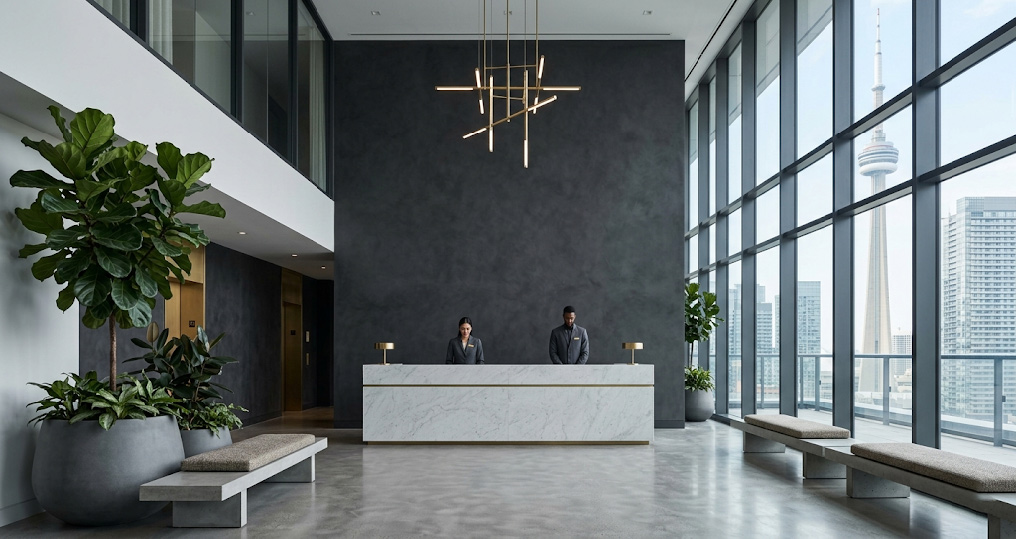
In the 2026 Canadian market, a strategic accent wall increases Perceived Value by creating a focal point that anchors the room, improves listing photography, and signals to buyers that the home has been meticulously maintained.
“In resale, buyers don’t pay more for bold taste — they pay more for confidence and clarity. A strategic accent wall proves the home is finished, not just furnished.”
— Senior Staging Consultant, Toronto Real Estate Board Member
Accent Walls for Resale — The Rules of ROI
When your goal is resale, your client is the buyer, not yourself. The objective is broad appeal. In 2026, the “painted feature wall” is being outpaced by texture and architectural detail. Buyers are savvy; they know paint is cheap. To imply luxury, you need materials that look structural.
1. Texture Beats Color
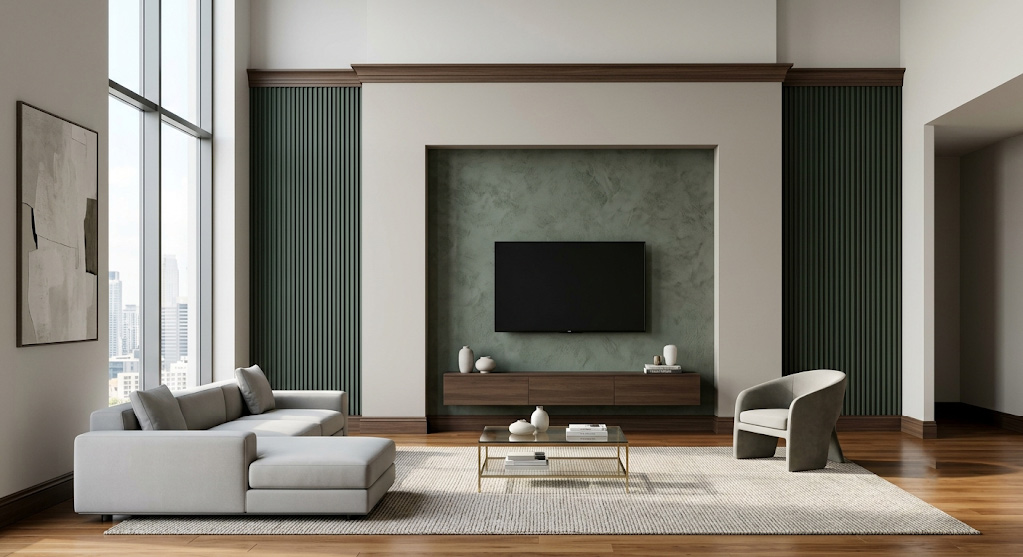
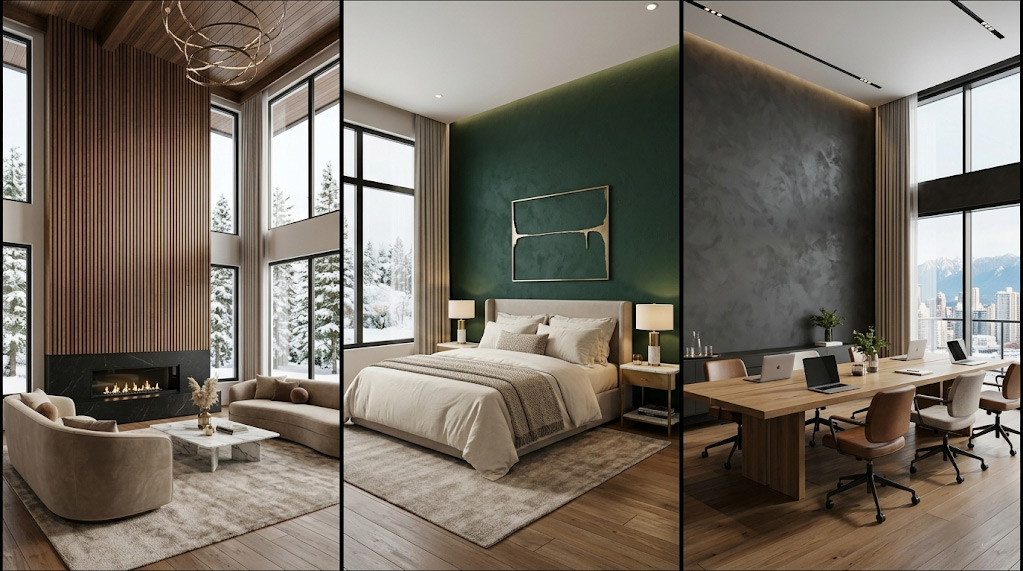
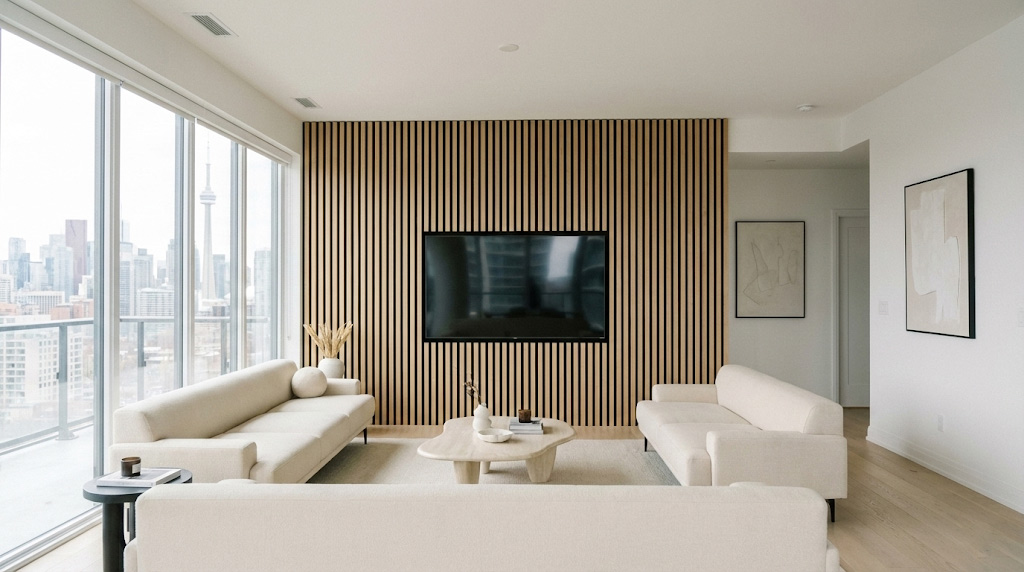
A coat of dark green paint is nice, but it is easily perceived as a weekend DIY project. In contrast, wood slat walls or applied moulding (wainscoting) appear to be part of the home’s architecture.
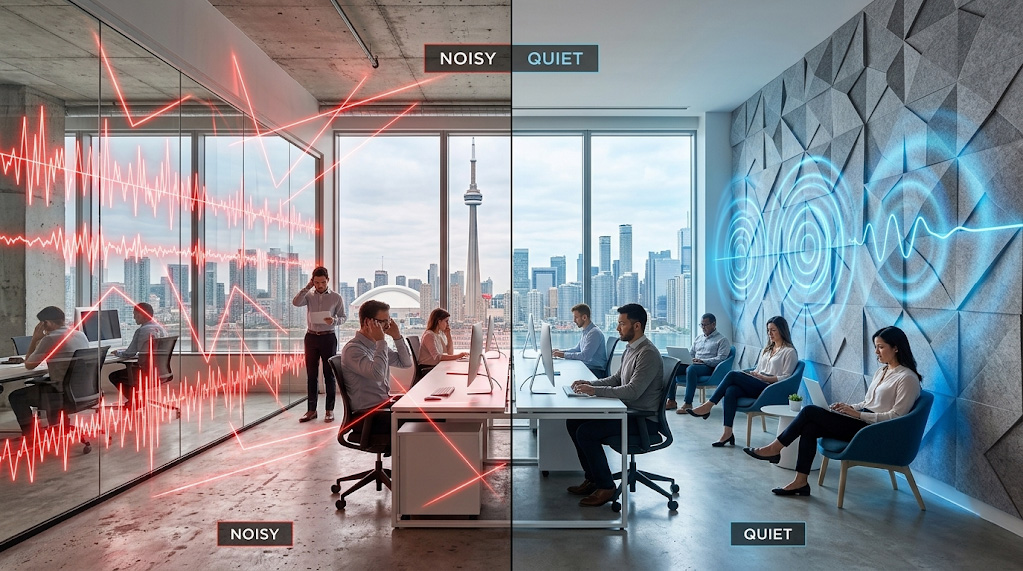
- Wood Slats: In Canadian condos, acoustic wood slat panels (like Artmur or Andor Willow) serve a dual purpose. They add warmth to combat the “concrete box” feel and provide tangible noise reduction—a massive selling point in high-density living.
- Moulding: A wall with geometric trim or picture-frame moulding painted in a monochrome satin finish adds depth and shadow. It suggests a higher build quality than plain drywall.
2. The “Safe” Palette for 2026
If you choose paint, avoid polarization. The 2026 buyer in Canada is looking for “Earthy Comfort.”
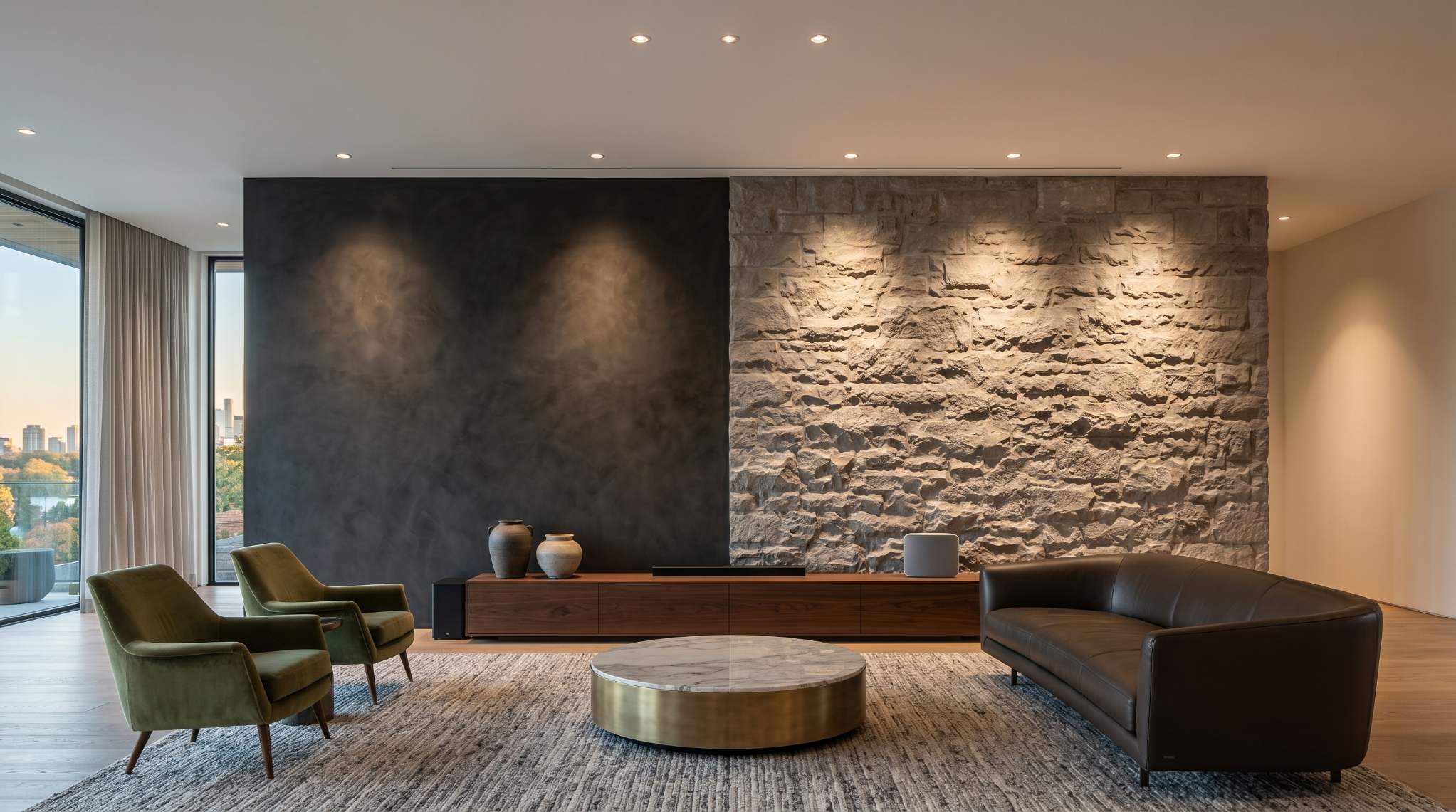
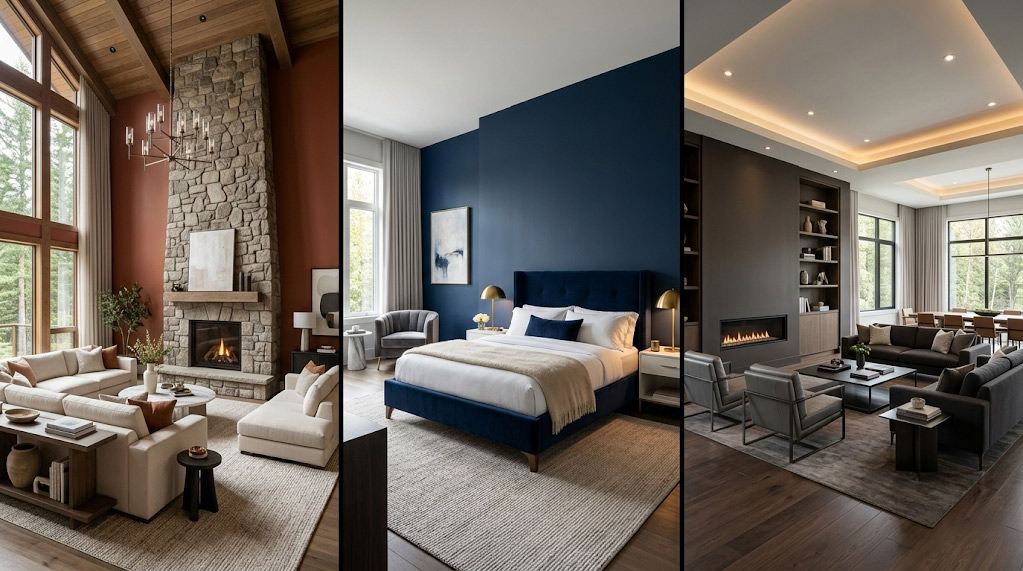
- Safe Bets: Warm charcoals (e.g., Benjamin Moore Kendall Charcoal), deep forest greens (e.g., Sherwin-Williams Pewter Green), or textured limewash in beige/clay tones.
- Risk Factors: Bright primary colors, high-gloss finishes, or highly specific murals. These are viewed as “work” by the buyer, who will mentally calculate the cost of priming and painting over them.
3. Execution is Everything
Nothing kills value faster than a wavy cut-in line or visible brush strokes. For resale, the finish must be factory-smooth. If a buyer sees sloppy paint along the ceiling edge, they subconsciously wonder what other maintenance tasks were done cheaply.

Interactive Checklist: Is Your Accent Wall Resale Ready?
Before you list, ask these 3 questions. If you answer “No” to any, reconsider the wall.
- [ ] Does it photograph well? (Does it look like a feature in a photo, or just a dark cave?)
- [ ] Is the material neutral? (Wood, stone, or earth tones vs. bright patterns.)
- [ ] Is the workmanship flawless? (No visible seams, bubbles, or bleed marks.)
Accent Walls for Rentals — Reducing Vacancy
For landlords and investors, the math is different. You aren’t looking for a sale price; you are looking to stop the scroll.
The “Scroll-Stopping” Factor
On platforms like Realtor.ca, Zillow, or Rentals.ca, prospective tenants scroll through hundreds of nearly identical gray/white apartments. A unit with one distinct, high-design wall stands out immediately. It signals a “premium” unit, often allowing for a slightly higher rent point or, more importantly, reducing vacancy time.
Durability vs. Aesthetics
In a rental, the wall must survive tenant turnover.
- Scrubbable Paint: Use high-quality paints like Sherwin-Williams Emerald or Benjamin Moore Aura in a Matte or Eggshell finish. These resist scuffs and can be washed down between tenants without burnishing (developing shiny spots).
- Commercial Vinyl Wallpaper: Unlike delicate paper wallpapers, commercial-grade vinyl (Type II) is virtually indestructible. It can take hits from moving furniture and can be wiped down with standard cleaners.
- Avoid: Microcement or delicate limewash in rentals. While beautiful, they are difficult to patch if a tenant drives a nail into them or chips a corner.

Three Accent Wall Mistakes That Kill Value
Even well-intentioned renovations can backfire. If you are preparing to sell or rent, avoid these three value-destroying errors.
1. The “Band-Aid” Wall
Never use an accent wall to hide damage. Buyers and inspectors are trained to look for fresh paint patches. If an accent wall is placed suspiciously over an area prone to leaks or cracks, it raises red flags. The wall must look like a design choice, not a cover-up.
2. Ignoring Architecture
Placing an accent color on a wall broken up by multiple windows, doors, or radiators creates visual chaos. The high contrast draws attention to the interruptions rather than the wall itself.
- Rule of Thumb: Choose the wall with the least interruptions. Usually, this is the headboard wall in a bedroom or the TV/Fireplace wall in a living room.
3. Poor Transitions
In open-concept Canadian homes, walls often flow into one another without clear stopping points (like corners). Ending a paint color or wallpaper mid-wall or at a rounded bullion corner looks unfinished and cheap. Value is added when the design respects the home’s bones.

When an Accent Wall Does NOT Increase Value
There are specific scenarios where neutrality wins every time. If your room is:
- Exceptionally Small: A dark end wall can sometimes make a small room feel like a tunnel.
- Already Busy: If the room has heavy furniture, bold rugs, and lots of artwork, an accent wall creates sensory overload.
- Unevenly Lit: Dark accent walls absorb light. In a north-facing Canadian room during winter, a dark wall can make the space feel cavernous and depressing rather than cozy.
In these cases, a “Value-Add” strategy might be a fresh coat of a high-quality warm white (like Benjamin Moore White Dove) throughout, rather than forcing a feature wall where it doesn’t belong.
Conclusion: The Verdict on Value
Does an accent wall increase home value? Yes.
But it does not add value because it is “trendy.” It adds value because, when executed professionally with materials like wood slats or premium matte paints, it solves a problem for the buyer. It answers the question, “Is this home special?” with a resounding “Yes.”
For rentals, it is a marketing tool that reduces vacancy. For resale, it is a psychological trigger that justifies a premium price.
Don’t risk your home’s equity on guesswork. Consult Accent Wall Authority to ensure your upgrade is an asset — not a liability.

Expert Design FAQs
- How many accent walls should be in a house?
The general rule of thumb for resale is one per floor or one in the primary living space and one in the primary bedroom. Putting an accent wall in every room makes the home feel smaller and disjointed.
- What is the best color for an accent wall to sell a house?
For 2026, the best colors for resale are nature-inspired neutrals. Dark Sage Green, Warm Charcoal, and Navy Blue are the safest options that add character without being offensive. Avoid bright reds, oranges, or neons.
- Do accent walls make a room look bigger or smaller?
It depends on placement. A dark accent wall on the far end of a rectangular room can make the room feel shorter (cozier). A dark wall on a side wall can make the room feel narrower. Generally, cool colors (greens, blues) recede and make walls feel further away, while warm colors (reds, oranges) advance and make walls feel closer.