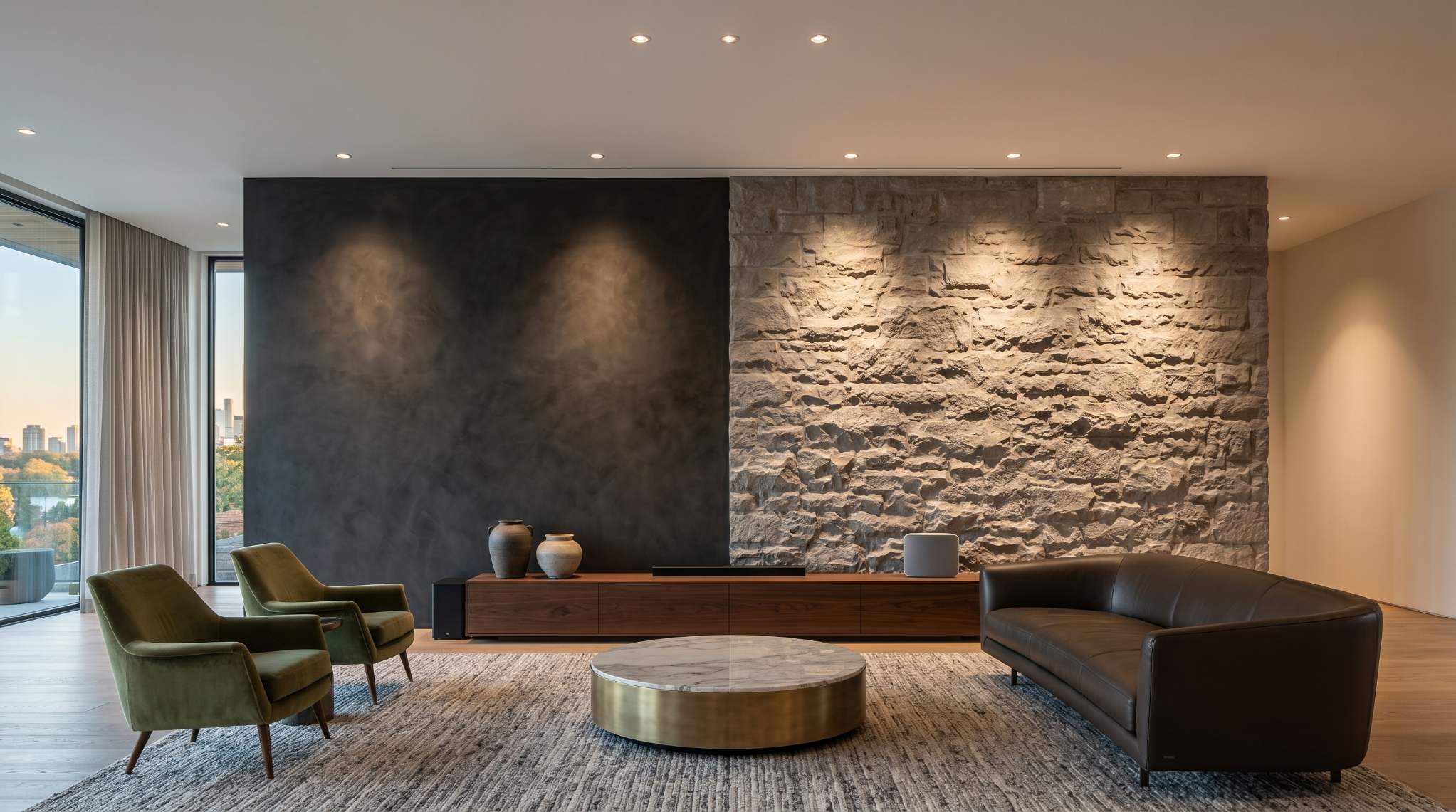
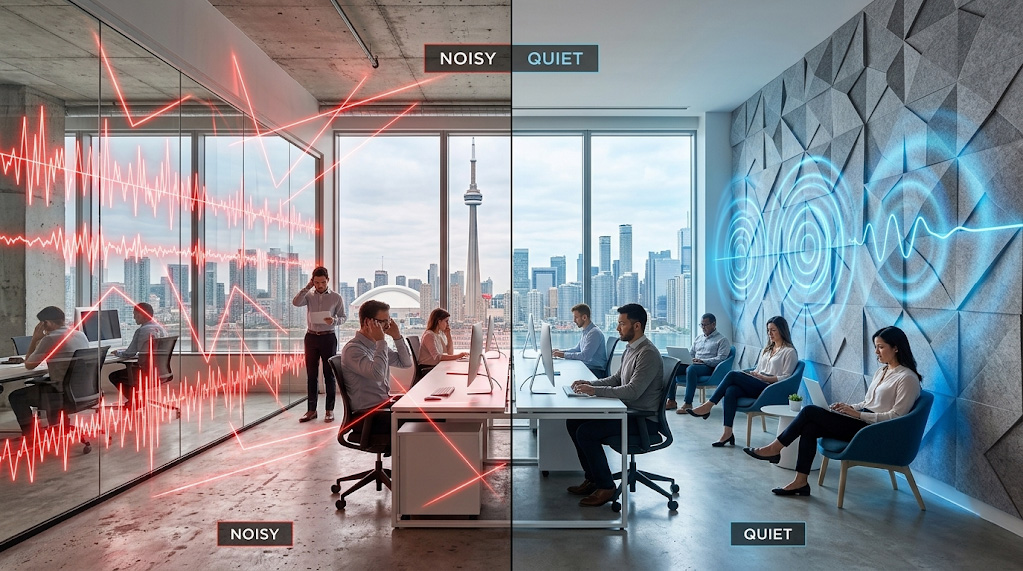
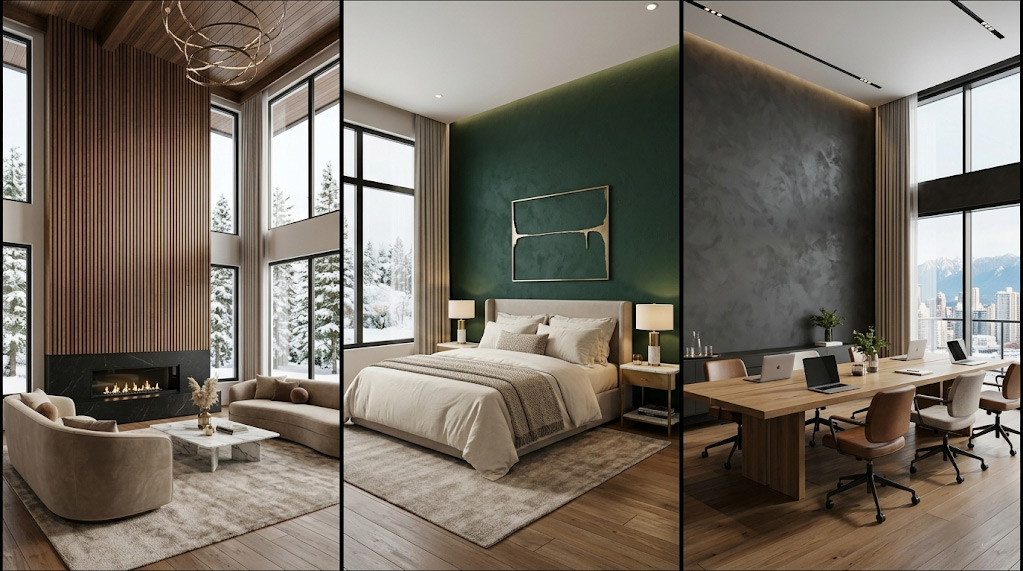
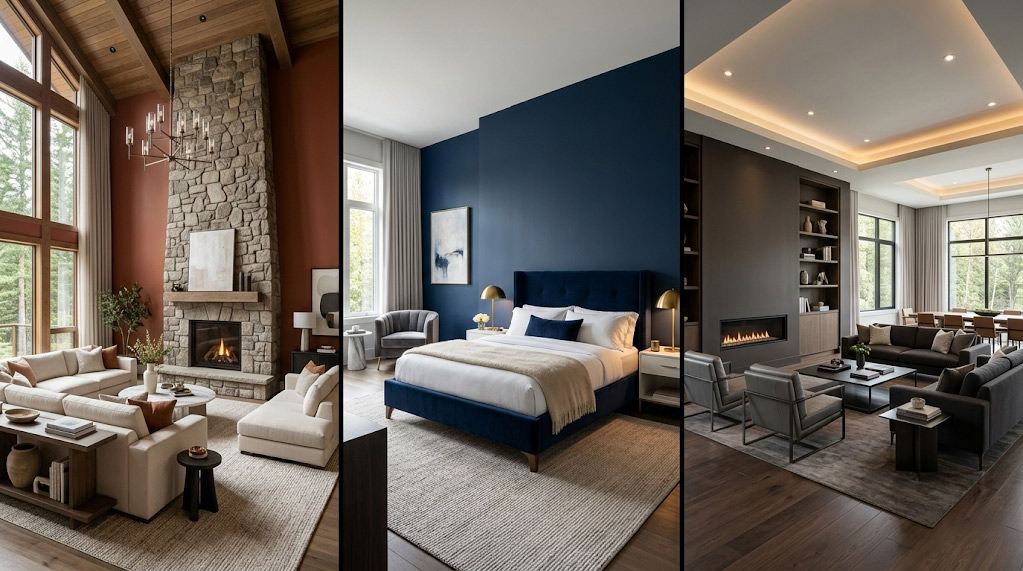
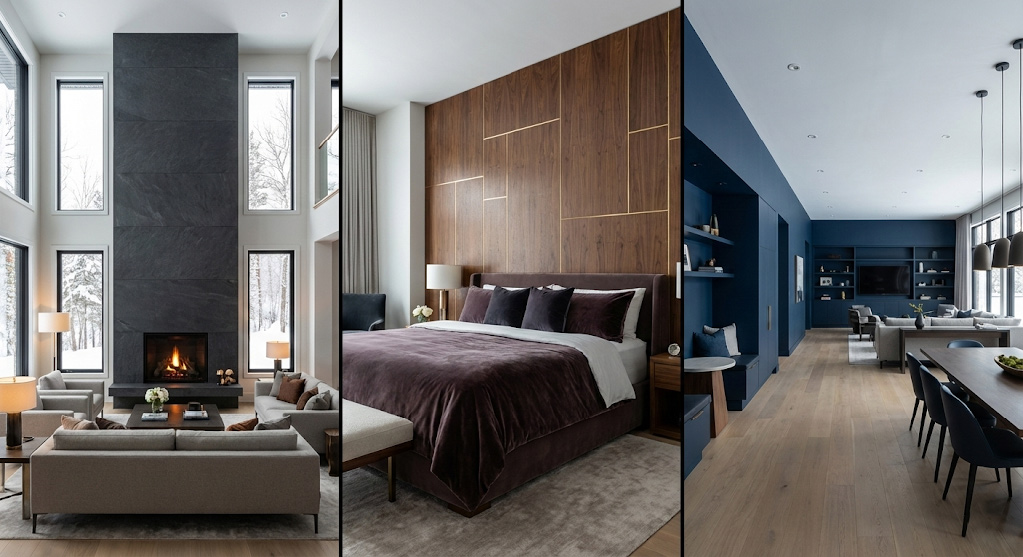
For most standard Canadian renovations, Low VOC is compliant and safe. However, for luxury estates with extensive surface areas, commercial offices seeking LEED certification, and sensitive occupants (infants, asthmatics), Zero VOC is the superior specification. Note: “Zero VOC” does not mean zero chemical emissions, but it represents the cleanest coating technology widely available in 2026.
What Does VOC Mean on Paint? (The Science of Solvents)
VOC stands for Volatile Organic Compound. To the average homeowner, this is just an acronym; to a chemist, it represents a specific class of carbon-containing chemicals that have a high vapor pressure at ordinary room temperature. In the context of architectural coatings, these compounds serve a functional purpose: they act as solvents.
Solvents are the “carriers” that keep the resin (the binder) and the pigment (the color) in a liquid state inside the can. They ensure the paint flows smoothly off the brush, levels out on the wall to remove brush strokes, and dries at a predictable rate. In traditional oil-based paints, these solvents were heavy hydrocarbons. In modern water-based paints, they are often glycols or coalescing agents.
Why do they exist in paint?
- Freeze-Thaw Stability: In Canada, paint needs to survive transport in sub-zero temperatures. VOCs historically acted as antifreeze to prevent the product from ruining in transit.
- Open Time: They keep the paint “wet” longer, allowing professional painters to maintain a wet edge on large walls in massive luxury homes without creating lap marks.
- Scrubbability: They help the resin particles fuse tightly together as the paint cures, creating a hard, washable shell.
As paint dries, these solvents must go somewhere. They do not disappear; they evaporate, transitioning from liquid to gas. This process is called “off-gassing.” It is the source of the “fresh paint smell” and can contribute to headaches, dizziness, and poor indoor air quality (IAQ).
The Evolution of Coalescing Agents
In the past, removing VOCs meant removing the chemicals that made the paint durable. Early “green” paints in the 2010s were notorious for peeling and poor coverage. By 2026, the industry has shifted to “non-volatile coalescents.” These are additives that help the paint film form a hard shell but do not evaporate into the room. Instead, they lock into the paint film permanently. This is why modern Zero VOC paints like Benjamin Moore Eco Spec or Sherwin-Williams ProMar 200 Zero VOC can now rival the durability of their high-solvent predecessors.
Table: Low VOC vs. Zero VOC Comparison
To help you decide what type of paint is best for interior walls, whether for a high-traffic corporate office or a nursery, compare the technical standards below.
| Feature | Low VOC Paint | Zero VOC Paint |
| VOC Content (g/L) | Typically < 50 g/L | < 5 g/L (Trace amounts) |
| Odor Level | Low, faint chemical smell | Virtually odorless to “Earth-like” |
| Durability (2026) | Excellent (Scrubbable, high traffic) | Very Good (Advancements in 100% acrylics) |
| Price Range | Mid-Range ($60–$90/gallon) | Premium ($80–$120+/gallon) |
| Curing Time | Faster hardness development | Slightly longer cure time for full hardness |
| Best For | Hallways, Kitchens, Mudrooms | Master Suites, Offices, Nurseries, Winter Projects |
| Popular Canadian Lines | Ben Moore Regal Select, SW Emerald | Ben Moore Eco Spec, Behr Premium Plus, SW SuperPaint Air Purifying |
Is Low VOC Paint Safe to Breathe? (The Health Reality)
A common question homeowners ask is: is low voc paint safe to breathe?
The nuanced answer is: It is safer than traditional paints, but ventilation is still non-negotiable.
While Low VOC paints represent a massive improvement over the oil-based alkyds of the past (which could exceed 300-500 g/L), they still release measurable amounts of chemicals as they cure.
The “Safer” vs. “Safe” Distinction
- The Safety Threshold: For healthy adults, limited exposure to Low VOC paint fumes during application is generally considered low-risk. The fumes typically dissipate to negligible levels within 24–48 hours.
- The Winter Risk: In Canadian winters, our homes act as sealed vessels to conserve heat. If you paint a 2,000 sq. ft. open-concept main floor with Low VOC paint in January without opening windows, the concentration of VOCs can build up to irritating levels simply because there is nowhere for the gas to go.
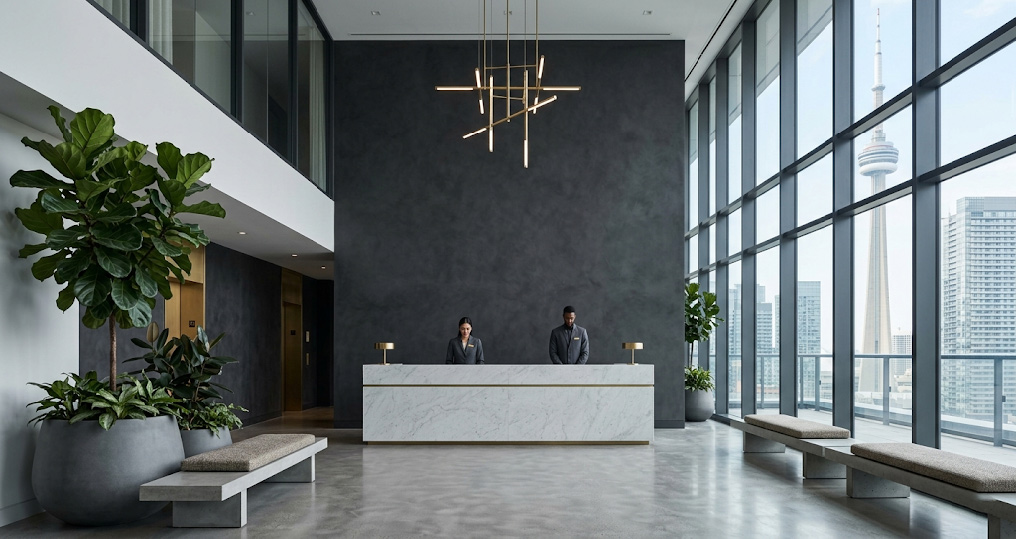
- Is Zero VOC Paint Safe? Yes, it is the safest option available. However, even Zero VOC paints can release very low levels of “Semi-Volatile Organic Compounds” (SVOCs) or other emissions not strictly classified as VOCs by regulatory bodies. It is always best practice to keep pregnant women, infants, and pets out of the room during the actual application and drying process.Alt Text: Modern luxury office boardroom painted with zero VOC paint to ensure employee health and LEED certification compliance.

The Canadian Context: Zero VOC Paint in Canada
When searching for zero voc paint Canada, it is crucial to understand the regulatory landscape that governs our products.
Environment and Climate Change Canada sets mandatory limits on VOC concentrations for architectural coatings. However, the “Low VOC” and “Zero VOC” labels found on premium cans often far exceed these federal minimums.
1. The Base vs. The Tint Paradox
Historically, a major loophole existed. A manufacturer could claim a paint was “Zero VOC” based on the white base liquid in the can. However, as soon as the paint store added colorant (tint) to achieve your desired “Hale Navy” or “Chantilly Lace,” they were effectively injecting VOCs back into the paint.
- The 2026 Standard: Major premium brands in Canada (specifically Benjamin Moore with Gennex® technology and Sherwin-Williams with ColorCast Eco Toner®) have closed this loophole. They now use Zero VOC colorants. This means if you buy a Zero VOC brand in a deep, dark color, it remains Zero VOC. Always ask your retailer if their colorants are also Zero VOC.
2. Certifications to Trust
Don’t just read the marketing on the front of the can. Look for the following certifications on the back, which are rigorously tested:
- MPI Green Performance Standard: The Master Painters Institute (based in Vancouver) sets high standards for performance and environmental safety.
- Greenguard Gold: This is the gold standard for indoor air quality, certifying that the product has low chemical emissions and is safe for use in schools and healthcare facilities.
- LEED v4: For commercial office projects, using compliant Zero VOC paints contributes points toward LEED certification, a critical factor for Class A building management.
Which Type of Paint Is Best for Interior Walls? (Room by Room)
In massive luxury homes or commercial offices, using a single paint product throughout is rarely the best strategy. A tailored approach yields better results.
Living Rooms, Great Rooms & Hallways
- Verdict: High-Quality Low VOC (100% Acrylic).
- Why: These are high-traffic zones. In a luxury home, these walls may span two stories. You need a paint that flows perfectly for a flawless finish and resists scuffing from movement. Paints like Benjamin Moore Regal Select or Sherwin-Williams Emerald are Low VOC but offer superior washability and mar-resistance compared to basic Zero VOC lines. The slight durability edge is worth the minor increase in VOCs, provided you can ventilate during application.
Bedrooms, Nurseries & Home Offices
- Verdict: Zero VOC.
- Why: We spend 8+ hours sleeping in bedrooms and 8+ hours working in home offices. In these closed-door environments, off-gassing can linger. Using a product like Benjamin Moore Eco Spec or Sherwin-Williams SuperPaint Air Purifying ensures the air remains neutral.
- The Office Factor: For home offices, avoiding VOCs prevents “sick building syndrome” symptoms like brain fog or fatigue, keeping productivity high.
Kitchens & Bathrooms (High Humidity)
- Verdict: Mildew-Resistant Low VOC.
- Why: Humidity resistance is the priority here. While there are Zero VOC bath paints, many professionals still prefer a high-end Low VOC Kitchen & Bath formula (like Aura Bath & Spa) to ensure the paint doesn’t peel or mold in Toronto’s humid summers. The resins required to block moisture often require a small amount of solvent to film-form correctly.
Finished Basements & Home Gyms
- Verdict: Antimicrobial Zero VOC.
- Why: Basements in Canada are prone to stagnant air. Using a high-VOC paint here can lead to fumes lingering for months. Furthermore, home gyms are areas of heavy respiration. You want the cleanest air possible while you exercise. Look for Zero VOC paints that include antimicrobial agents to inhibit mold growth, which is a common issue in below-grade spaces.
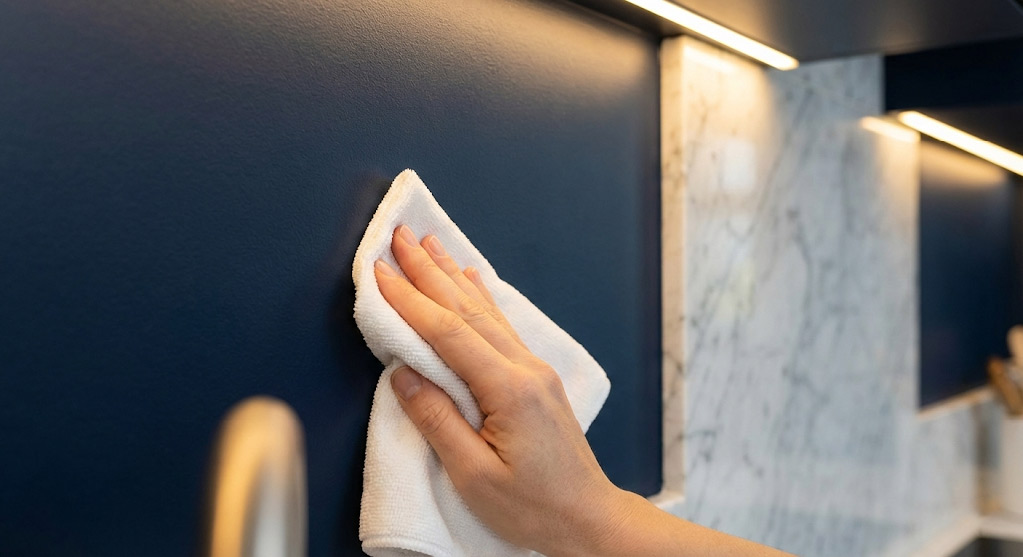
Paint for Toronto Walls: Why Climate Matters
Painting in the Greater Toronto Area (GTA) or other Canadian climates presents unique challenges regarding indoor air quality in winter.
The Physics of Winter Curing
The air inside a heated Canadian home in February is extremely dry (often <30% Relative Humidity).
- The Flash-Dry Risk: Dry air causes the water in the paint to evaporate too quickly (“flash drying”). If the water leaves before the solvent has time to properly fuse the resin particles, the paint can become brittle.
- The Ventilation Trap: You cannot open windows at -20°C without freezing your pipes or ruining the paint film. This traps VOCs inside.
- Recommendation: For any project undertaken between November and March, Zero VOC paint is strongly recommended. It minimizes the indoor pollution load when natural ventilation is impossible.
Professional Application
In luxury homes with large, uninterrupted wall spaces, the rapid drying caused by Canadian winter heating can lead to visible roller marks. Professionals mitigate this by using “extenders” (additives that slow down drying) or by lowering the room temperature slightly during application. If you are DIYing, be aware that Low/Zero VOC paints often dry faster than their older counterparts, giving you less time to fix mistakes.
Common Myths About Low VOC and Zero VOC Paint
Myth 1: “Zero VOC paint has absolutely no smell.”
- Fact: It has very little chemical smell, but it is not odorless. It often has an “earthy” or “clay-like” scent coming from the acrylic resins themselves. It is distinct from the sharp, solvent smell of traditional paint, but sensitive noses will still detect it.
Myth 2: “Zero VOC paint is just watered down and covers poorly.”
- Fact: This was true in 2010, but false in 2026. Modern premium Zero VOC paints use advanced 100% acrylic resins. In fact, premium lines like Benjamin Moore Aura are Low/Zero VOC and are significantly thicker than cheap contractor-grade paints, often covering in one coat where cheap paints take three.
Myth 3: “If it says Low VOC, it’s non-toxic.”
- Fact: VOCs are just one type of chemical. Paint can still contain other ingredients like biocides (to prevent mold in the can). While safer, paint is a chemical mixture. Always keep pets and kids away from liquid paint.
Myth 4: “Commercial Zero VOC paint is lower quality than Residential.”
- Fact: Actually, many commercial-grade Zero VOC paints (like Ultra Spec 500) are engineered for extreme durability in office towers and hospitals. They are excellent choices for rental properties or high-traffic mudrooms.
Visual Suggestion 4 (Application) Placement: Before the FAQ section. Visual: A professional painter in clean white overalls applying a dark, rich green paint to a wall in a spacious, empty room. The focus is on the wet edge and the smooth texture of the paint being applied. There are no fumes or haze visible, suggesting a clean application process. Alt Text: Professional painter applying premium dark green zero VOC paint in a Canadian home renovation project.
FAQ Section
Does zero VOC paint smell? Zero VOC paint has virtually no solvent smell (that sharp “chemical” odor), but it may have a faint, earthy odor from the minerals and resins. This scent typically dissipates within 1–2 hours, unlike traditional paints which can smell for weeks.
Is zero VOC paint more expensive? Generally, yes. You can expect to pay a premium of $10–$20 per gallon for high-quality Zero VOC formulations compared to standard contractor-grade paints. However, in the context of a luxury renovation, this cost is negligible compared to the labor and health benefits.
Can I sleep in a painted room the same night? If you use Zero VOC paint, yes, it is generally safe for healthy adults to sleep in the room the same night, provided it has dried for at least 4–6 hours. For infants, pregnant women, or those with severe asthma, we still recommend waiting 24 hours as a precaution. If you use Low VOC paint, it is strictly recommended to wait at least 24 hours before sleeping in the room.
Do darker colors have higher VOCs? In the past, yes. The tint used to darken the paint added significant VOCs. However, in 2026, top-tier brands like Benjamin Moore and Sherwin-Williams use zero-VOC colorant systems. If you are buying a premium brand, your dark navy accent wall should be just as safe as a white wall.
Conclusion & Recommendation
When choosing between Low VOC and Zero VOC, the decision balances health, performance, and the specific conditions of your project.
- Choose Low VOC for high-traffic living areas, hallways, and grand foyers where the ultimate durability and scrubbability of a product like Regal Select or Emerald is required, and where you can ventilate the space during application.
- Choose Zero VOC for bedrooms, nurseries, home offices, and any painting done during the Canadian winter when windows must stay closed. It is the gold standard for indoor air quality.
Don’t gamble with your family’s respiratory health or the air quality of your office. If you are planning a renovation and want to ensure the safest materials are used, correct application is just as important as the product rating.
Concerned about fumes or winter painting logistics? Contact Accent Wall Authority today for a Healthy Home paint consultation in the GTA. We specialize in Zero VOC applications for safe, worry-free renovations in luxury homes and commercial spaces.